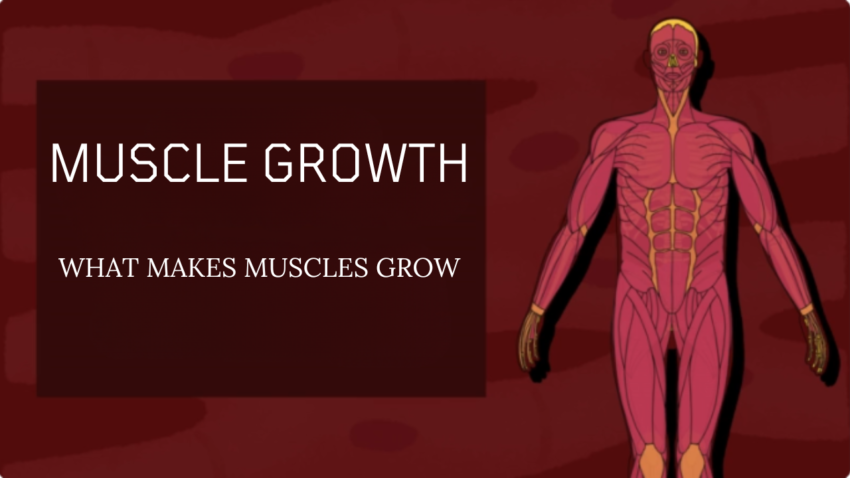
Muscles are incredible. They help us move, lift, and perform countless daily tasks. But have you ever wondered what makes muscles grow? Whether you’re a fitness enthusiast or just curious about how your body works, understanding muscle growth can help you make the most of your workouts and overall health. In this article, we’ll explore the science behind muscle growth, the role of exercise and nutrition, and how to create the perfect conditions for building stronger, bigger muscles.
The Basics of Muscles:
We have more than 600 muscles in our bodies, which constitute between one-third and one-half of our total body weight. Muscles, together with connective tissues, hold us together, keep us upright, and allow us to move. But muscles aren’t just static, they’re dynamic tissues that respond to how we treat them. Depending on your lifestyle, muscles can either grow stronger or shrink over time.
How Muscles Work:
To understand muscle growth, let’s first look at how muscles function. Imagine you’re standing in front of a door, ready to pull it open. Here’s what happens inside your body:
- Brain Signals: Your brain sends a signal to motor neurons in your arm.
- Muscle Contraction: The motor neurons fire, causing your muscles to contract and relax.
- Movement: This contraction pulls on the bones in your arm, creating movement.
In the case that the door is heavy, your brain sends a stronger signal and recruits more muscles to help. You could plant your feet, tighten your core, and tense your back to develop enough force. This teamwork between your brain and muscles is what lets you perform difficult tasks.
The Science of Muscle Growth:
The process of muscle growth is called hypertrophy, referring to when these muscle fibers get stressed and suffer from tearing. Here is how to work it:
- Microscopic Damage: As you do weight lifting and other resistance exercises, your muscles come under tiny tears.
- Inflammatory Response: They release inflammatory molecules within the cells that fight back against the immune system to heal the injury.
During repair, your body actually rebuilds your muscle fibers more massive and much stronger than it was originally. This is known as muscle damage and repair which causes growth.
Most daily activities, such as walking or bringing groceries home usually don’t present enough resistance or stress to make the muscles grow. Muscle-building requires challenges that can only be brought on by weights more significant than your muscles are used to.
Role of Nutrition in Muscle Growth:
Exercise alone is not enough to build muscle. Nutrition plays a role in providing the raw materials your body needs to repair and grow muscle tissue. Here’s what you need to focus on:
- Protein: Protein is the building block of muscles. It provides amino acids, which are used to repair and rebuild muscle fibers. Good sources of protein include lean meats, fish, eggs, dairy, beans, and nuts.
- Carbohydrates: Carbs provide energy for your workouts and help replenish glycogen stores in your muscles. Whole grains, fruits, and vegetables are excellent sources of carbs.
- Fats: Healthy fats are important for hormone production, such as testosterone, which is a hormone that promotes muscle growth. Avocados, nuts, seeds, and olive oil are good sources.
- Hydration: Water is necessary for muscle function and recovery. Drink plenty of fluids throughout the day.
Rest and Recovery:
Muscle building does not take place during the exercise, it happens when resting. During sleep, your body produces growth hormones that repair damaged muscle fibers. Without rest, your muscles cannot come to recover and grow. Try to get 7-9 hours of sleep at night, and space out intense workouts with rest days for your muscles to recover.
Muscle Growth Factors:
Several factors may impact your ability to build muscle:
- Age: Younger people, especially men, tend to build muscle more easily due to higher levels of testosterone.
- Genetics: Some people have a genetic advantage when it comes to muscle growth. They may have a stronger immune response to muscle damage or more efficient repair mechanisms.
- Hormones: Hormones like testosterone and insulin-like growth factor (IGF-1) play a key role in muscle repair and growth.
- Training Intensity: To induce muscle growth, one has to increase training intensity over time. It is called progressive overload.
How to Build Muscle Effectively:
If you want to build muscle, use these steps to do so:
- Lift Weights: Your major resistance training exercises include squats, deadlifts, bench presses, and rows. Use 3-5 sets of 8-12 repetitions for each exercise.
- Increase Resistance: Gradually increase the weight or resistance to challenge your muscles.
- Eat a Balanced Diet: Prioritize protein, carbs, and healthy fats to fuel your workouts and support muscle repair.
- Rest and Recover: Get enough sleep and take rest days to allow your muscles to heal.
- Stay Consistent: Building muscle takes time and effort. Stick to your routine and be patient.
Common Myths About Muscle Growth:
There are many misconceptions about muscle growth. Let’s debunk a few of them:
Myth: Lifting Heavy Weights Will Make You Bulky:
Fact: Building bulky muscles requires specific training and nutrition. Most people will develop lean, toned muscles from regular strength training.
Myth: You Need to Eat a Lot of Protein to Build Muscle:
Fact: While protein is important, eating excessive amounts won’t speed up muscle growth. Focus on a balanced diet.
Myth: Muscle Turns into Fat If You Stop Working Out:
Fact: Muscle and fat are two very different tissues. If you stop working out, it does not mean your muscles turn to fat. Now, muscles just shrink.
Conclusion:
This process of muscle growth is fascinating, it involves stress, repair, and adaptation. To create the right conditions for more powerful, more massive muscles, you have to challenge your muscles with resistance training, eat the right food, and get plenty of rest. Consistency, as they say, is key. Whether a beginner or experienced lifter, understanding the science of muscle growth can help them achieve their goals and live healthier, more active lives.
FAQs:
1. How do muscles grow?
Muscles grow through a cycle of stress, damage, and repair caused by resistance training.
2. How much protein do I need to build muscle?
Aim for 1.6-2.2 grams of protein per kilogram of body weight daily.
3. Can I build muscle without lifting weights?
Yes, bodyweight exercises like push-ups and squats can also stimulate muscle growth.
4. How long does it take to see muscle growth?
Most people notice changes in 4-8 weeks with consistent training and nutrition.
5. Do I need supplements to build muscle?
No, supplements are optional. A balanced diet is the most important factor.
6. Can women build muscle as easily as men?
Yes, but women may build muscle at a slower rate due to lower testosterone levels.