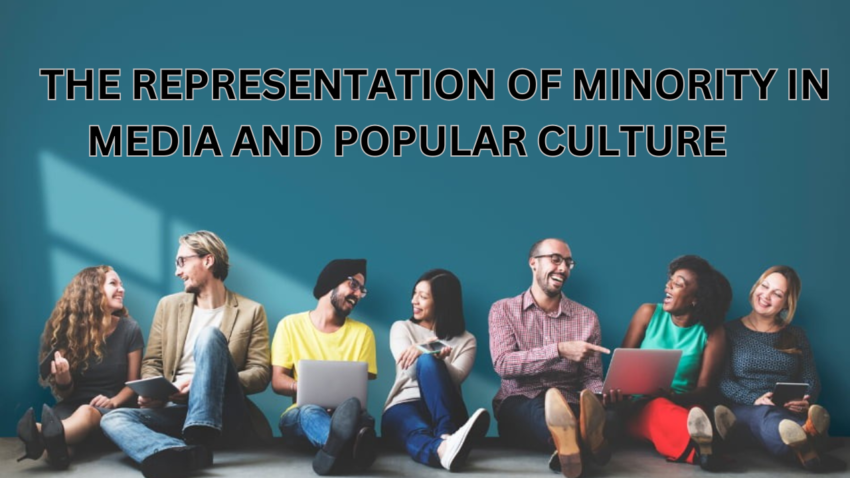
The representation of minority groups in media and popular culture has long been a critical issue shaping public perceptions and influencing societal attitudes historically marginalized communities including racial ethnic gender, and sexual minorities have often been portrayed through stereotypes or left out entirely these portrayals can reinforce harmful biases and perpetuate inequality both on screen and in the broader cultural landscape. In recent years there has been a growing demand for more accurate and inclusive representation activist artists and filmmakers have pushed for diversity in casting storytelling and creative leadership striving to offer more authentic and multifaceted portrayals of minority groups.
While progress has been made the journey is far from complete media which plays a pivotal role in shaping identity and values still has a significant responsibility to reflect the diverse reality of modern society this ongoing conversation about representation calls for continued efforts to ensure that the voices of all people regardless of background or identity are heard and respected by examining the portrayal of minority groups in various forms of media we can better understand the power of representation and its impact on societal change.
Historical Context of Minority Representation in Media and Popular Culture:
The historical context of minority representation in media and popular culture reveals a long history of exclusion, misrepresentation, and stereotyping for much of the 20th-century mainstream media largely reflected the perspectives and experiences of dominant groups particularly white heterosexual and able-bodied individual minority groups including Black, Indigenous Asian and disabled communities were often either ignored or depicted in ways that reinforced negative stereotypes, for example, early holly wood films often cast white actors in roles portraying nonwhite characters a practice known as yellow face or blackface which minimized the authentic experiences of these communities and perpetuated harmful prejudices.
Portrayals of women especially women of color were limited to narrow roles that reinforced traditional gender norms or their identities as civil rights movements gained momentum in the 1960s and 1970s that calls for greater diversity in media representation grew stronger it was not until the late 20th and early 21st centuries that substantial changes began to take place with more actors directors and writers from underrepresented groups emerging despite these strides media still faces challenges in depicting minorities in nuanced and authentic ways with issues such as tokenism cultural appropriation and biased storytelling remaining prevalent.
Stereotyping and Marginalization of Minority Groups in Media and Popular Culture:
Stereotyping and marginalization of minority groups in media and popular culture have been pervasive issues that continue to shape how these communities are perceived by society for many years mainstream media has relied on simplistic and often harmful portrayals of minority groups, reducing complex individuals and cultures to one-dimensional characters these stereotypes whether based on race gender sexuality or disability reinforce preconceived notions and contribute to the societal marginalization of these groups for instance Black characters were often depicted as criminals servants or entertainers while Indigenous peoples were portrayed as primitive or mystical.
Individuals were commonly shown as comic relief reinforcing negative associations this lack of diversity in roles and the narrow scope of representation not only misinformed the public but also denied minority groups the opportunity to see themselves reflected in a variety of empowering multifaceted roles these stereotypes also fueled discrimination as they can shape how people treat others in real life further entrenching social inequality the absence of authentic representation makes it difficult for marginalized communities to feel validated and valued in a society that is heavily influenced by popular culture.
Impact of Stereotyping and Marginalization on Minority Groups:
The impact of stereotyping and marginalization on minority groups is profound and far-reaching affecting both the individuals within these communities and society at large when minority groups are consistently portrayed through limiting or negative stereotypes it perpetuates misconceptions that shape public perception and attitudes this often leads to social stigma discrimination and unequal treatment in various aspects of life from education and employment to healthcare and the criminal justice system for example when black individuals are consistently depicted as criminals or as undocumented workers it reinforces biased assumptions that influence how they are treated in real life leading to harmful outcomes such as racial profiling or reduced opportunities.
The lack of diverse representation in media means that people from marginalized groups may struggle to see themselves as fully realized complex individuals in the stories they consume this absence can lead to a sense of invisibility low self-esteem, and a diminished sense of identity when minority groups are underrepresented or misrepresented in powerful cultural narratives their voices and experiences are marginalized preventing them from contributing to broader societal conversations the effects of these stereotypes and the resulting marginalization are not only damaging to the individuals directly affected but also hinder societal progress by promoting inequality and division.
Sensitivity Training and Education:
Sensitivity training and education play a crucial role in addressing the harmful effects of stereotyping and marginalization fostering a more inclusive and respectful society these programs are designed to raise awareness about the biases that exist within individuals and organizations encouraging a deeper understanding of the challenges faced by marginalized groups through sensitivity training participants are guided to recognize their unconscious biases which can shape their attitudes and behaviors in subtle ways, and learn how to challenge these preconceived notions this type of education often includes discussions about the historical context of discrimination the impact of stereotypes and the importance of cultural competence.
By equipping individuals with the knowledge and tools to interact more thoughtfully with people from diverse backgrounds sensitivity training promotes empathy and fosters better communication in schools workplaces and other institutions these educational programs create safer and more inclusive environments where people feel respected and valued regardless of their race gender sexual orientation or other aspects of identity sensitivity training can encourage a more nuanced understanding of the experiences of minority groups empowering individuals to become allies in combating discrimination and marginalization