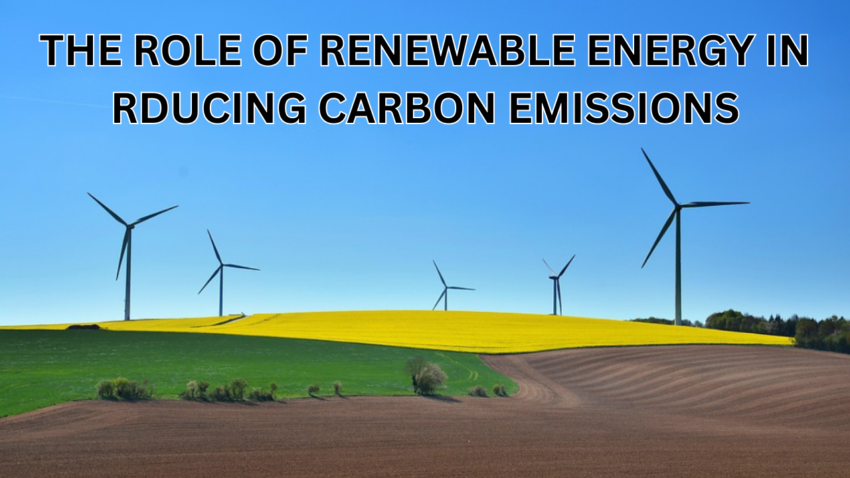
Renewable energy plays a pivotal role in combating one of the most pressing challenges of our time carbon emissions as global temperatures rise and the consequences of climate change become increasingly evident the transition from fossil fuels to cleaner energy sources has shifted from being a future goal to an urgent necessity traditional energy systems heavily reliant on coal oil and gas are major contributors to greenhouse gas emissions which trap heat in the atmosphere and disrupt ecological balance renewable energy sources like solar wind hydro and geothermal offer a sustainable alternative producing little to no emissions during operation.
Beyond reducing the carbon footprint they also provide economic benefits such as job creation and energy independence the transition is not without its challenges from technological advancements to financial investments and policy changes despite these hurdles the adoption of renewable energy is steadily growing driven by innovation and public demand for sustainable solutions this blog explores how renewable energy reduces carbon emissions the obstacles faced in scaling its adoption and why it remains humanity best chance at securing a cleaner healthier planet for future generations.
Importance of Reducing Carbon Emissions:
Reducing carbon emissions is essential to addressing the escalating crisis of climate change and its far-reaching consequences on the environment human health and global economies carbon emissions primarily resulting from burning fossil fuels like coal oil and natural gas are the leading cause of greenhouse gas accumulation in the atmosphere these gases trap heat leading to global warming extreme weather patterns rising sea levels and disruptions in ecosystems the importance of reducing carbon emissions extends beyond environmental preservation it directly impacts public health by improving air quality and reducing respiratory and cardiovascular diseases caused by pollution.
The economic implications of inaction are severe with escalating costs associated with disaster management healthcare and infrastructure damage due to climate-related events transitioning to low-carbon solutions such as renewable energy energy-efficient technologies and sustainable practices not only curtails emissions but also fosters innovation creates green jobs and promotes energy security taking decisive action to reduce carbon emissions demonstrates global leadership and fulfills commitments to international climate agreements inspiring collective efforts to protect the planet.
Renewable Energy Sources:
Renewable energy sources are vital for a sustainable future offering a cleaner more reliable alternative to traditional fossil fuels these energy sources solar wind hydro geothermal and biomass are derived from natural processes that are continually replenished making them both environmentally friendly and virtually inexhaustible solar energy harnesses the power of the sun rays through photovoltaic panels or solar thermal systems providing a versatile and abundant source of electricity and heating wind energy captures the movement of air through turbines to generate power with wind farms becoming an increasingly common sight in regions where wind is plentiful.
Biomass derived from organic materials such as wood agricultural residues and waste can be burned or converted into biofuels to generate energy one of the key advantages of renewable energy is that it produces little to no carbon emissions during operation significantly reducing the impact on climate change these sources often promote energy independence as they can be locally sourced and are less vulnerable to price fluctuations associated with fossil fuels with advances in technology the scalability and efficiency of renewable energy systems continue to improve.
Benefits of Renewable Energy:
The benefits of renewable energy extend far beyond environmental protection influencing economic stability public health and energy security one of the most significant advantages is its ability to reduce greenhouse gas emissions helping to mitigate the effects of climate change unlike fossil fuels which release harmful carbon dioxide and other pollutants when burned renewable energy sources like solar wind and hydropower produce little to no emissions during their operation leading to cleaner air and water this reduction in pollution has a direct positive impact on public health decreasing the prevalence of respiratory diseases heart conditions and other illnesses linked to air pollution.
In addition to environmental and health benefits, renewable energy can also stimulate economic growth the renewable energy sector has become a major source of job creation from manufacturing and installation to research and development providing skilled employment opportunities in regions around the world renewable energy promotes energy independence by reducing reliance on imported fossil fuels enhancing national security and protecting economies from volatile global energy prices as technology advances renewable energy continues to become more affordable and efficient making it an increasingly attractive option for both businesses and consumers.
Health Benefits:
The health benefits of renewable energy are profound and far-reaching, primarily due to the reduction in air and water pollution associated with the burning of fossil fuels by shifting to cleaner energy sources like wind, solar and hydropower we can significantly reduce harmful emissions such as particulate matter nitrogen oxides and sulfur dioxide which are known to cause a range of respiratory and cardiovascular diseases these pollutants contribute to conditions like asthma bronchitis and lung cancer as well as heart attacks and strokes by lowering pollution levels renewable energy can lead to better overall public health reducing the burden on healthcare systems and improving quality of life for communities the transition to renewable energy can help mitigate climate change.
which has its own set of health impacts such as heat-related illnesses infectious diseases and food and water insecurity renewable energy sources often require less water than conventional power plants reducing the strain on local water supplies and preventing waterborne diseases beyond air and water quality the renewable energy sector also fosters healthier lifestyles by promoting active transportation (e.g., electric vehicles, biking) and more sustainable urban planning as we continue to prioritize clean energy solutions we not only protect the environment but also safeguard our health creating a cleaner healthier and more resilient future.