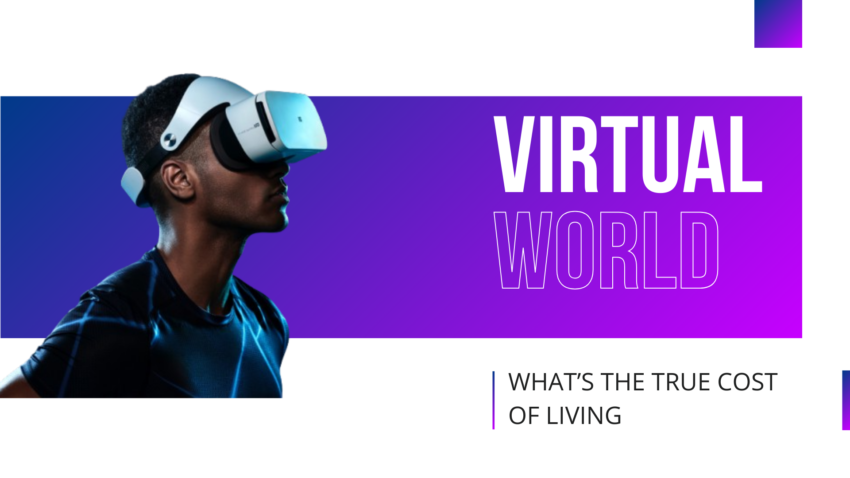
The virtual world, once a marginal concept in science fiction, is now an undeniable part of our daily lives. From socializing on platforms like Facebook and Instagram to gaming in expansive virtual universes like Fortnite and the metaverse, the boundaries between the real and virtual are becoming increasingly blurred. As technology advances, many are beginning to question: What is the true cost of living in these virtual spaces?
Whether it’s the time we spend online, the data we sacrifice, or the financial resources we invest, the impact of virtual worlds extends far beyond our screens. Let’s dive in and explore the hidden costs of these digital domains and how they are reshaping the way we live, work, and interact.
The Time We Invest: The Hidden Currency:
Time has become very precious, and many spend hours sometimes days immersed in virtual worlds of social media platforms, online games, and virtual reality. This presence in our lives is almost constant. However, whereas this engagement through digital systems provides entertainment, interaction, and ease, it comes with a price.
An example can be given here:
Consider the social media usage habits of an average person. Platforms like Instagram or TikTok might seem completely harmless, but researchers show that average adults spend more than two hours each day scanning feeds. This is 730 hours a year, about 30 days of continuous time!
Such digital engagement often happens at the cost of real-life interactions and experiences. Virtual socialization might deprive us of the opportunities to engage in face-to-face relationships, which may impact our relationships, mental health, and well-being in general.
The Financial Cost: Virtual Assets, Real Dollars:
The things we buy in the virtual world have to be paid for with real money. Like virtual items, in-game currencies, or digital assets that we buy in online games or virtual platforms, they have real-world financial costs. We do not even realize how we are spending our hard-earned money on virtual things.
This financial cost increases when we become more invested in the virtual world, like in gaming or online shopping. We spend real dollars on our virtual assets, which can be unnecessary at times. Therefore, it is important that we understand our financial priorities and not waste our money only in the virtual world but also keep our real-world needs in mind.
1. Microtransactions:
Most online games and virtual platforms operate on a freemium model, where basic access is free but features, items, or upgrades cost money. These small, seemingly insignificant purchases, known as microtransactions, can add up quickly.
Example:
In Fortnite, players can buy “skins,” which are digital outfits for their in-game characters. While these skins don’t affect gameplay, they’re a popular form of self-expression in the virtual world. Players often spend hundreds of dollars on these digital items, which, once purchased, have no real-world value.
2. Virtual Real Estate:
In virtual worlds, such as Decentraland or The Sandbox, users can buy parcels of digital land using cryptocurrency. As these virtual properties become more popular, some are selling for prices that compare to real estate in the physical world.
Example:
The latest of these was in 2021 when a virtual plot of land sold at a sale exceeding $900,000 with promises for returns in the future from virtual businesses and events. Such an investment is exciting; however, it requires very significant resources and no assurance exists that such assets appreciate as physical real estate typically does.
The Environmental Cost: Energy Consumption:
The activities we do in the virtual world also have an environmental cost, and this is directly connected to energy consumption. When we play online games, watch videos, or use social media, all of these consume energy to run servers and data centers. This energy is a lot of it, which comes mostly from fossil fuels, and this increases pollution.
Every digital activity has a hidden environmental impact that we do not understand. If we spend a lot of time in the virtual world, it increases energy consumption, which ultimately hurts climate change and the environment. Therefore, we must optimize our digital usage and make energy-efficient choices to reduce the environmental burden.
The Emotional and Psychological Cost: The Strain of Escapism:
The time we spend in the virtual world has an emotional and psychological cost. When we escape from our real-life problems and spend time in the virtual world, we are not able to properly address our emotions. This is a form of escapism, in which we ignore our real feelings and get lost in the digital world.
But this escapism can have a negative effect on our mental health in the long term. When we do not confront our real-life issues, we begin to feel emotionally disconnected, and can also experience stress, anxiety, and depression. We notice this strain in our personal relationships and daily tasks as we become distanced from our real world. Therefore, it is important that we maintain a balance in the virtual world and also spend time in real life by understanding our emotional needs.
The Social Cost: Changing How We Connect:
The virtual world has fundamentally altered the way we connect with one another. This shift has brought countless benefits, from connecting with friends across the globe to remote work opportunities, but this is changing the nature of connections.
Example:
In the workplace, for instance, remote work tools like Zoom and Slack have made communication very efficient but also removed the nuance and warmth of in-person conversations. Long-term reliance on such digital platforms can create a sense of detachment, which reduces our ability to form deep, meaningful relationships in the real world.
Similarly, social media enables us to reconnect with old friends, but that also gives rise to this phenomenon of “surface-level” connections. Studies show people may have more “friends” online, but these online relationships are often shallow rather than those face-to-face interactions.
What’s the True Cost?
The true cost of living in a virtual world is multi-dimensional. It is not only the money spent on virtual goods or the time invested in digital platforms but also the impact on our mental health, the environment, and social connections. As we continue to immerse ourselves in virtual experiences, it’s time to keep the balance going.
While virtual worlds promise incredible entertainment, connections, and creativity in their offers, they often come with unseen costs: to be learned and better managed. So, having an awareness of the way through which we involve ourselves digitally will allow us to walk through it without compromising our wellness or, for that matter, our planet.
Conclusion:
The virtual world is here to stay, and it’s reshaping every aspect of our lives. While it brings excitement, connection, and innovation, it’s important to recognize the hidden costs that come with it. Time, money, energy, and mental health are all on the line, and as digital landscapes evolve, so must our awareness of their impact.
By maintaining a healthy balance between the virtual and real world, we can ensure that these spaces enhance our lives rather than dominate them. After all, living in a digital world should complement, not replace, the richness of human experience in the physical one.
FAQs:
1. What is the true cost of living in a virtual world?
The true cost includes time spent online, financial investments in virtual assets, environmental impacts from energy consumption, and emotional strain from digital escapism.
2. How much time do people spend in virtual worlds?
The average person spends several hours a day on social media or gaming platforms, with some individuals spending up to 30 days a year immersed in virtual spaces.
3. Are virtual assets worth the investment?
While some virtual assets, like digital real estate or in-game items, can provide enjoyment, they often lack tangible value and can be costly.
4. How does the virtual world affect the environment?
Virtual worlds and blockchain technologies require significant energy to operate, contributing to a growing carbon footprint.
5. Can virtual worlds negatively affect mental health?
Yes, excessive time in virtual worlds can lead to feelings of isolation, addiction, and anxiety, especially when escaping reality becomes a primary coping mechanism.
6. What can we do to balance the virtual world and the real world?
To maintain balance, it’s important to set boundaries on screen time, engage in face-to-face interactions, and be mindful of the environmental and emotional impacts of virtual experiences.